One of the most fundamental decisions in international trade is choosing how to move your goods from supplier to customer. The two primary options—sea freight and air freight—represent fundamentally different approaches to transportation, each with distinct advantages, limitations, and cost structures. Making the right choice between them can mean the difference between healthy profit margins and eroding competitiveness. Understanding when each method makes sense will serve you throughout your trading career.
Understanding Sea Freight: The Workhorse of Global Trade
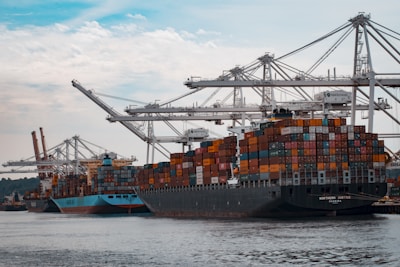
Approximately 90% of the world's cargo moves by sea. This shouldn't be surprising when you consider the economics: a single container ship can carry the equivalent of thousands of truckloads, moving goods across oceans at a fraction of the cost per unit of any other transport mode. For most international traders, sea freight isn't just an option—it's the default choice that makes global trade economically viable.
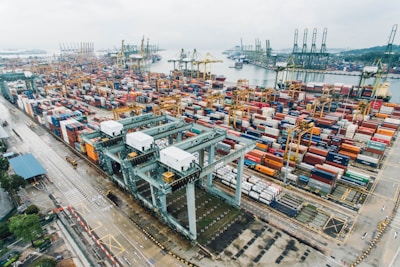
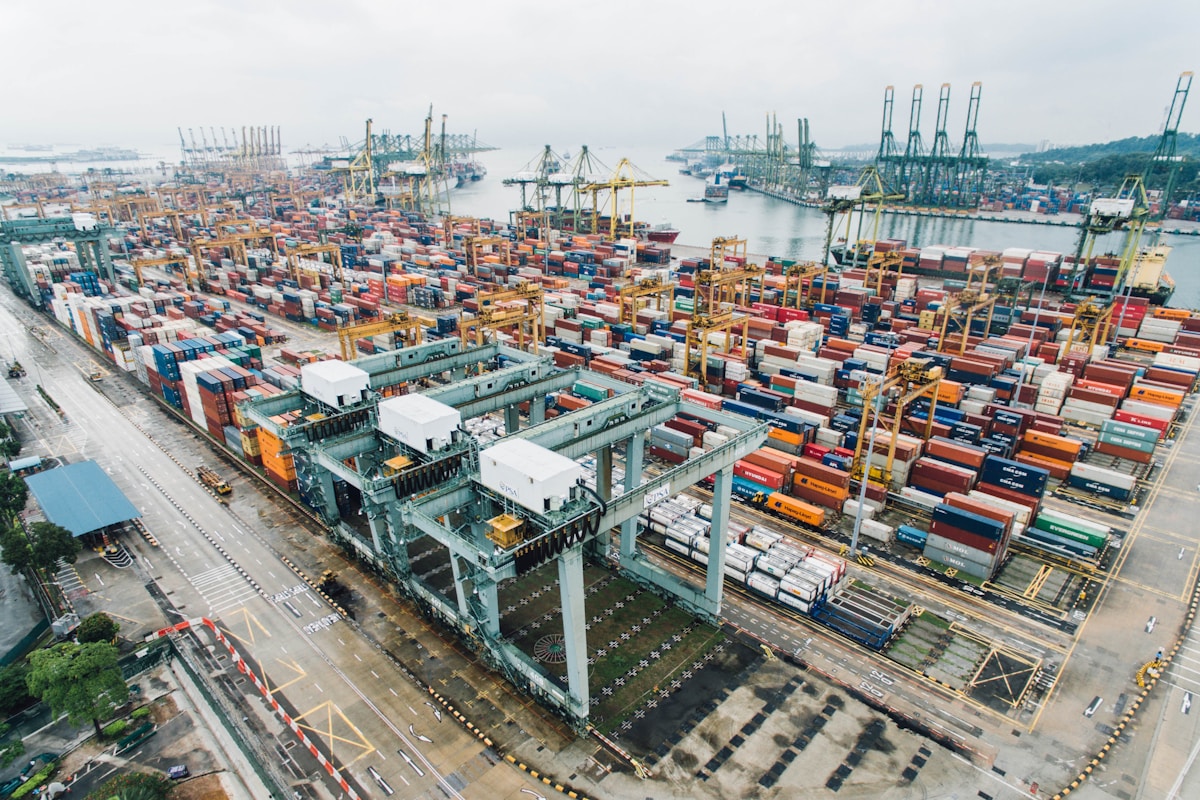
Sea freight operates through several key mechanisms. Full Container Load (FCL) means you rent an entire container for your goods. You fill it completely or pay for empty space, but you control the entire container and don't share with other shippers. Less than Container Load (LCL) allows multiple shippers to share a container, splitting costs but requiring consolidation and deconsolidation services. For very large shipments,Breakbulk or Roll-on/Roll-off (RORO) services handle oversized cargo that won't fit in standard containers.
The containers themselves come in standardized sizes. The 20-foot standard container (TEU) typically holds about 28-30 cubic meters or 21-23 metric tons of general cargo. The 40-foot container (FEU) offers roughly double the capacity. High cube containers provide extra height for voluminous but lightweight goods. Choosing the right container configuration depends on your cargo volume, weight, and whether you have enough to fill a container yourself.
Understanding Air Freight: Speed and Reliability
Air freight costs significantly more than sea freight—typically 4-10 times higher per unit shipped—but delivers goods in days rather than weeks. This speed-to-market advantage matters enormously for certain product categories and business situations. When Amazon introduced two-day delivery expectations, air freight became essential for many e-commerce businesses. When COVID-19 disrupted ocean shipping, air freight provided alternatives for urgent needs.
Air freight operates through a network of airlines and dedicated cargo handlers. Major hubs like Hong Kong, Shanghai, Dubai, and Memphis handle enormous volumes of air cargo daily. Airlines use dedicated freight aircraft or convert passenger planes to carry cargo in the belly hold. Charter flights provide additional capacity during peak periods or for time-critical shipments.
The air freight process differs from ocean shipping in several important ways. Booking confirmations typically come much closer to departure dates—sometimes just days before. Handling is more standardized since all cargo goes through similar security and handling procedures regardless of destination. Documentation requirements are streamlined compared to ocean shipping. Airport-to-airport service means you need ground transportation to complete door-to-door delivery.
Comparing Costs: Beyond the Freight Rate
Freight rates represent only part of total logistics costs. Comparing sea and air freight accurately requires understanding all cost components. For sea freight, costs include inland transportation to port, port handling and terminal fees, ocean freight charges, fuel surcharges, security fees, destination port charges, customs clearance fees, and inland delivery to final destination. Air freight costs include similar components but at different scales: higher air freight rates, security screening fees, and typically more expensive ground handling.
Inventory carrying costs often favor air freight despite higher transport costs. When goods are in transit, your capital is tied up. Sea shipping from China to the US East Coast takes 4-6 weeks; air shipping takes 1-3 days. If your goods turn over quickly or command premium prices, the carrying cost savings from faster delivery may justify air freight's higher transport costs.
Consider also the cost of problems. Late ocean shipments can trigger supply chain disruptions requiring expensive air freight to catch up. Quality issues discovered after receipt may force rushed replacement shipments by air. Building the cost of potential problems into your shipping decision provides a more accurate picture of true costs.
When Sea Freight Is the Right Choice
Sea freight makes sense for most bulk commodities, manufactured goods with standard lead times, heavy or dense products where transport represents significant cost, non-time-sensitive shipments where speed doesn't matter, and orders large enough to fill containers or achieve favorable LCL rates.
The shipping time differential matters less than you might expect for many products. If your customers accept delivery in 4-6 weeks and your suppliers need 3-4 weeks to produce, the additional 2-3 weeks of ocean transit is a small portion of total lead time. The real question isn't whether ocean shipping is slower (it is) but whether the time difference affects your business outcomes.
Sea freight also offers more flexibility in shipment sizes. You can ship anything from a small pallet to hundreds of containers. This scalability accommodates businesses at every stage. A startup might ship LCL shipments of a few cubic meters; a mature business might fill entire vessels.
When Air Freight Is the Right Choice
Air freight becomes attractive when dealing with perishable goods that spoil quickly, high-value items where transport cost is small relative to product value, urgent replacement shipments for stock-outs or quality issues, time-sensitive products with short sales windows, sample shipments requiring rapid turnaround, and seasonal products where missing the season means lost sales entirely.
The fashion industry illustrates air freight's strategic importance. Trend-driven clothing may sell for only a few weeks before consumer tastes shift. Waiting for ocean shipping from Asian manufacturers could mean missing the entire selling season. Fashion brands routinely air-ship new styles to ensure they reach stores while trends are still relevant.
Electronics also favor air freight for certain applications. The technology sector moves fast—new product launches can't wait for ocean shipping. Components needed for manufacturing line stoppages require immediate delivery. Even if air shipping costs more per unit, it may be trivial compared to production line downtime costs.
Hybrid Approaches and Mitigation Strategies
Experienced traders often combine shipping methods strategically. You might air-ship initial orders to test market response before committing to larger ocean shipments. Premium customers expecting rapid delivery might receive air-shipped goods while standard orders go by sea. You can maintain air freight as an emergency option when ocean shipments encounter problems.
Sea-air combinations leverage cost savings where possible while maintaining speed for select needs. Goods might travel by sea to a regional hub, then clear customs and distribute locally via air or ground transport. This approach captures ocean freight economics while providing reasonable delivery times to end customers.
Inventory positioning strategies help minimize air freight needs. Rather than shipping everything from Asia, you might maintain safety stock in regional warehouses closer to customers. When sales exceed expectations, air freight fills the gap. This approach requires more complex inventory management but reduces exposure to air freight costs and availability issues.
Current Market Dynamics
Shipping costs fluctuate dramatically based on market conditions. Ocean freight rates vary with fuel costs, vessel availability, port congestion, and trade patterns. During 2021-2022, container rates spiked to unprecedented levels as pandemic-related disruptions strained supply chains. Air freight rates similarly surged as demand for rapid delivery outstripped capacity. Building relationships with multiple transport providers and maintaining flexibility helps you navigate these fluctuations.
Environmental considerations increasingly influence shipping choices. Shipping produces significant carbon emissions, and regulators are tightening environmental requirements. Some customers, particularly in Europe, increasingly demand lower-carbon transport options. While sea freight produces fewer emissions per unit than air freight, the differences may not matter to cost-focused buyers. As carbon pricing spreads, the environmental cost differential may influence shipping economics more directly.
Making the Decision
Choose shipping methods based on your specific business situation rather than defaulting to habit or convention. A business selling high-end electronics may choose primarily air freight; one selling bulk industrial supplies would choose sea freight. The same business might use different methods for different product lines within their portfolio.
Develop clear criteria for when each shipping method applies. Document these criteria so team members make consistent decisions. Review criteria periodically as business conditions change. What made sense five years ago may not fit today's realities.
Work with experienced freight forwarders who can advise on optimal shipping strategies. They understand the trade-offs between methods and can suggest creative solutions. A good forwarder becomes a strategic partner who helps you optimize logistics costs over time.
Conclusion
Sea freight and air freight each have essential roles in international trade. The key is understanding when each makes sense for your business and building the flexibility to use both effectively. Master this decision-making, and you'll have a significant advantage over traders who treat shipping as an afterthought.
Continue exploring logistics topics with our articles on container shipping and freight forwarder selection.