Shipping dangerous goods internationally demands meticulous attention to regulations designed to protect people, property, and the environment. From chemical exporters to battery manufacturers, countless trading companies handle hazardous materials that require specialized handling, documentation, and transportation protocols. The consequences of non-compliance—penalties, shipment delays, safety incidents, and reputational damage—make understanding dangerous goods regulations essential for any trader handling these products.
Understanding Dangerous Goods Classification
The international dangerous goods regulatory framework classifies hazardous materials into nine distinct classes based on their primary hazard characteristics. Understanding these classifications determines which regulations apply and what handling procedures are required.
Class 1 covers explosives, including fireworks, ammunition, and blasting materials. These substances present explosion or projection hazards and are further subdivided into divisions based on specific explosion risks. Explosives shipping requires specialized licenses, carrier approvals, and strict quantity limitations.
Class 2 encompasses gases—flammable gases like propane and hydrogen, non-flammable non-toxic gases like nitrogen and argon, and toxic gases including chlorine and ammonia. Compressed gases require specialized containers rated for pressure service, regular inspection intervals, and careful handling to prevent valve damage or container rupture.
Class 3 includes flammable liquids, representing one of the largest categories of dangerous goods in international trade. This class includes fuels, solvents, paints, adhesives, and countless industrial chemicals with flash points below specified thresholds. The Globally Harmonized System (GHS) provides classification criteria that align with transport regulations.
Class 4 covers flammable solids, substances liable to spontaneous combustion, and substances that emit flammable gases when wet. Class 5 includes oxidizers and organic peroxides that can intensify fires. Class 6 covers toxic and infectious substances, while Class 7 addresses radioactive materials with specialized certification requirements. Class 8 includes corrosive substances, and Class 9 covers miscellaneous dangerous goods including lithium batteries and dry ice.
The IMDG Code: International Maritime Dangerous Goods
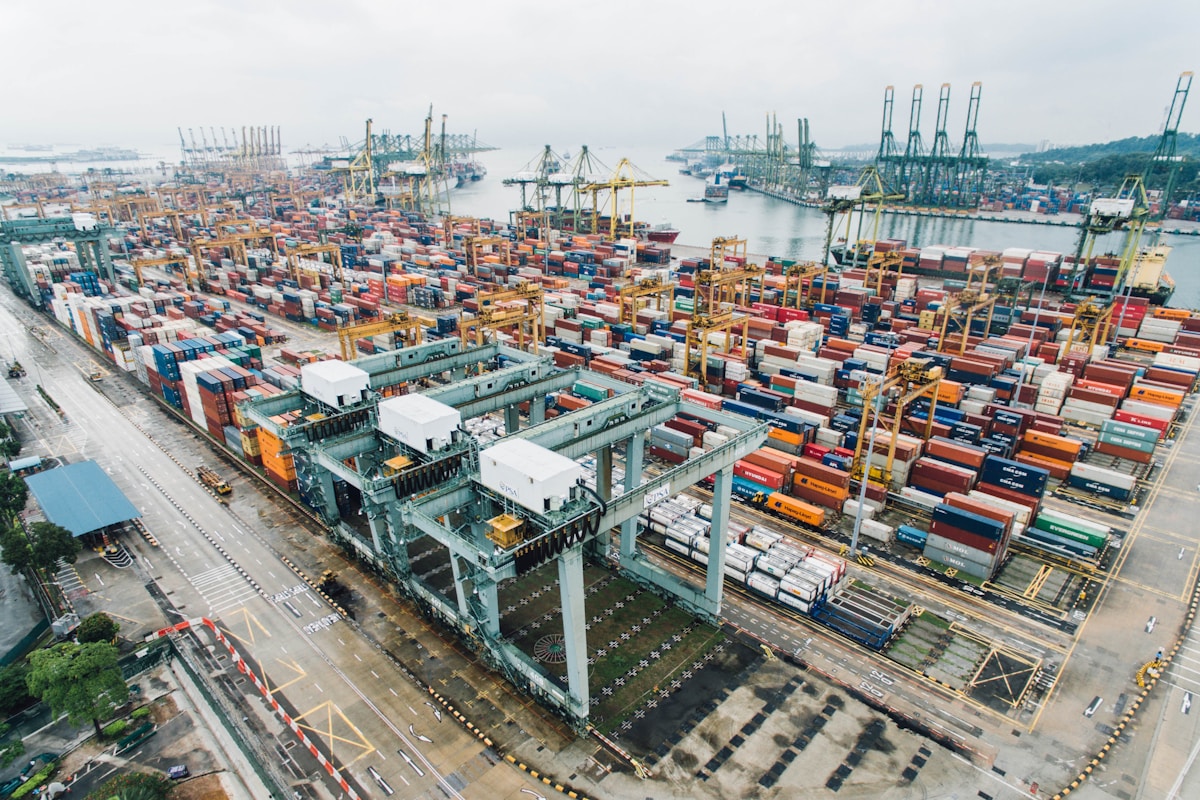
Ocean freight represents the dominant transportation mode for international dangerous goods trade, governed by the International Maritime Dangerous Goods (IMDG) Code developed by the International Maritime Organization (IMO). This comprehensive code establishes requirements for packing, marking, labeling, documentation, and stowage of hazardous cargoes.
The IMDG Code updates regularly, with Amendment 41 effective from January 2024, introducing revised requirements for various dangerous goods categories. Traders must ensure their operations reflect current code requirements, as the gap between shipment planning and actual transportation can span multiple code versions.
Port state control authorities inspect vessels and cargoes for IMDG compliance, with violations potentially resulting in shipment delays, fines, or cargo rejection. The consequences extend beyond financial penalties—improperly declared or packaged dangerous goods have caused ship fires, port evacuations, and environmental damage that resulted in criminal prosecutions.
Air Transport and IATA Dangerous Goods Regulations
Air transport of dangerous goods follows International Air Transport Association (IATA) Dangerous Goods Regulations (DGR), which implement ICAO Technical Instructions for the Safe Transport of Dangerous Goods by Air. Air transport restrictions are generally more stringent than maritime requirements due to the unique safety concerns of aircraft operations.
Many goods prohibited from air transport entirely can legally ship by ocean. Passenger aircraft carry additional restrictions beyond cargo aircraft. Understanding these differences enables optimal transportation mode selection while maintaining regulatory compliance.
Lithium batteries exemplify category-specific air transport restrictions. Changes implemented following safety incidents now limit lithium battery quantities on passenger aircraft and impose packaging requirements designed to prevent thermal runaway. The Civil Aviation Administration of various countries enforces these restrictions with carrier compliance verification.
Documentation Requirements
Proper documentation accompanies every dangerous goods shipment, serving multiple purposes including regulatory compliance verification, emergency response guidance, and supply chain visibility. Incomplete or inaccurate documentation represents the most common compliance failure leading to shipment delays and penalties.
The Dangerous Goods Declaration (DGD) provides the primary compliance document, identifying the shipper, consignee, dangerous goods details, and shipper's declaration of compliance with regulations. This document must be completed by trained personnel with specific knowledge of dangerous goods requirements.
Shipping documents must accurately identify the proper shipping name, UN number, hazard class, packing group, and quantity for each dangerous goods article. The shipper's declaration creates legal liability for accuracy—misdeclaring contents to avoid regulatory requirements can result in criminal prosecution in addition to civil penalties.
Material Safety Data Sheets (MSDS) or Safety Data Sheets (SDS) provide information about hazardous characteristics, handling procedures, and emergency response measures. These documents accompany shipments and must be available to handlers throughout the supply chain.
Packing and Marking Requirements
Packaging for dangerous goods must meet stringent performance standards that ensure containment and safety during transportation. The UN packaging certification system establishes performance requirements, with packaging marked to indicate compliance.
UN specification packaging carries marks indicating the UN design number, manufacturer identification, performance test requirements met, and maximum gross weight. Using packaging without proper certification—or using certified packaging beyond its rated capacity—constitutes a violation regardless of actual contents.
Hazard warning labels prominently displayed on packages communicate danger class and attract attention from handlers. These diamond-shaped labels follow standardized designs recognized internationally, enabling rapid identification regardless of language barriers. Incorrect labeling creates handling risks as workers may not recognize the hazards present.
Shipping names and UN numbers must appear on package markings, along with supplementary information like handling instructions and quantities. Poor quality markings—illegible text, damaged labels, incomplete information—can cause rejection at ports or during carrier acceptance processes.
Training and Certification Requirements
Personnel involved in preparing, handling, and documenting dangerous goods shipments must receive appropriate training. This requirement appears consistently across all modal regulations, recognizing that human factors contribute significantly to dangerous goods incidents.
Dangerous goods shipper training programs cover classification, documentation, packing, marking, labeling, and emergency response. Initial training should precede any involvement in dangerous goods shipments, with recurrent training at intervals typically of two to three years depending on the jurisdiction.
Training records must be maintained documenting what training was provided, when it occurred, and how competency was verified. These records demonstrate regulatory compliance during inspections and investigations, while also serving internal quality assurance purposes.

Some jurisdictions require formal certification for dangerous goods advisors—individuals within companies who ensure regulatory compliance and report incidents to authorities. The European ADR agreement, for example, requires companies handling dangerous goods to appoint a dangerous goods safety advisor who obtains certification through examination.
Selecting Logistics Partners for Dangerous Goods
Not all logistics providers handle dangerous goods—those that do must meet specific competency and equipment requirements. Selecting appropriate partners protects against compliance failures and operational problems.
Freight forwarders with dangerous goods expertise provide valuable assistance navigating complex requirements. They maintain trained staff, relationships with carriers accepting dangerous goods, and experience with documentation that prevents common errors.
Carriers maintain varying capabilities and restrictions regarding dangerous goods. Some carriers accept only certain hazard classes, while others have quantity limitations or seasonal restrictions. Understanding carrier networks enables optimal routing that minimizes costs and transit times while maintaining compliance.
Personal Insights on Dangerous Goods Compliance
The most consequential lesson from dangerous goods compliance is that the cost of prevention dramatically understates the cost of failure. Inspections, fines, and shipment delays represent manageable expenses compared to the consequences of safety incidents—injuries, environmental damage, criminal liability, and reputational destruction.
Never assume that intermediaries have properly handled dangerous goods compliance. I've seen countless problems arise when traders relied on suppliers, freight forwarders, or carriers to ensure compliance without independent verification. The legal responsibility ultimately rests with the shipper, regardless of who made errors.
Build relationships with regulatory authorities before you need them. The dangerous goods inspectors who visit your operations or investigate incidents are professionals who understand compliance challenges. Their willingness to provide guidance, answer questions, and give benefit of the doubt often correlates with the relationship history you've established through proactive engagement.