
Cold chain logistics represents one of the most demanding and critical aspects of international food trade. When you export perishable products—fresh produce, frozen seafood, dairy, meat, or temperature-sensitive ingredients—your entire supply chain must maintain precise temperature control from origin to destination. Any break in the cold chain can result in product spoilage, safety risks, and financial losses that destroy trading relationships. After overseeing hundreds of cold chain shipments across diverse product categories and trade routes, I've developed comprehensive strategies for ensuring temperature-sensitive cargo arrives in perfect condition.
Understanding Cold Chain Requirements
The cold chain encompasses all activities involved in maintaining products within specified temperature ranges throughout transportation and storage. For food products, these requirements vary dramatically based on product type, with different categories demanding distinct handling protocols.
Chilled products like fresh meat, dairy, and certain fruits require temperatures between 0°C and 4°C (32°F to 39°F). These products suffer damage from both excessive cold—freezing causes cellular breakdown—and excessive warmth, which accelerates bacterial growth and spoilage. Maintaining precise temperatures within this narrow band demands sophisticated equipment and vigilant monitoring.
Frozen products must remain below -18°C (0°F) to prevent ice crystal formation and maintain product quality. Some products, particularly certain seafood varieties, require even lower temperatures of -30°C or below for optimal preservation. Any thawing and refreezing destroys product texture and creates safety risks from bacterial contamination.
Fresh produce presents unique challenges due to produce's continued respiration after harvest. Different fruits and vegetables require specific temperature and humidity conditions to maximize shelf life. Tropical fruits like bananas and mangoes suffer chilling injury at temperatures optimal for temperate-climate produce, requiring specialized handling protocols.
Cold Chain Transportation Modes and Equipment
Selecting appropriate transportation modes and equipment forms the foundation of successful cold chain management. Each option presents distinct advantages and limitations that must align with your specific product requirements and market dynamics.
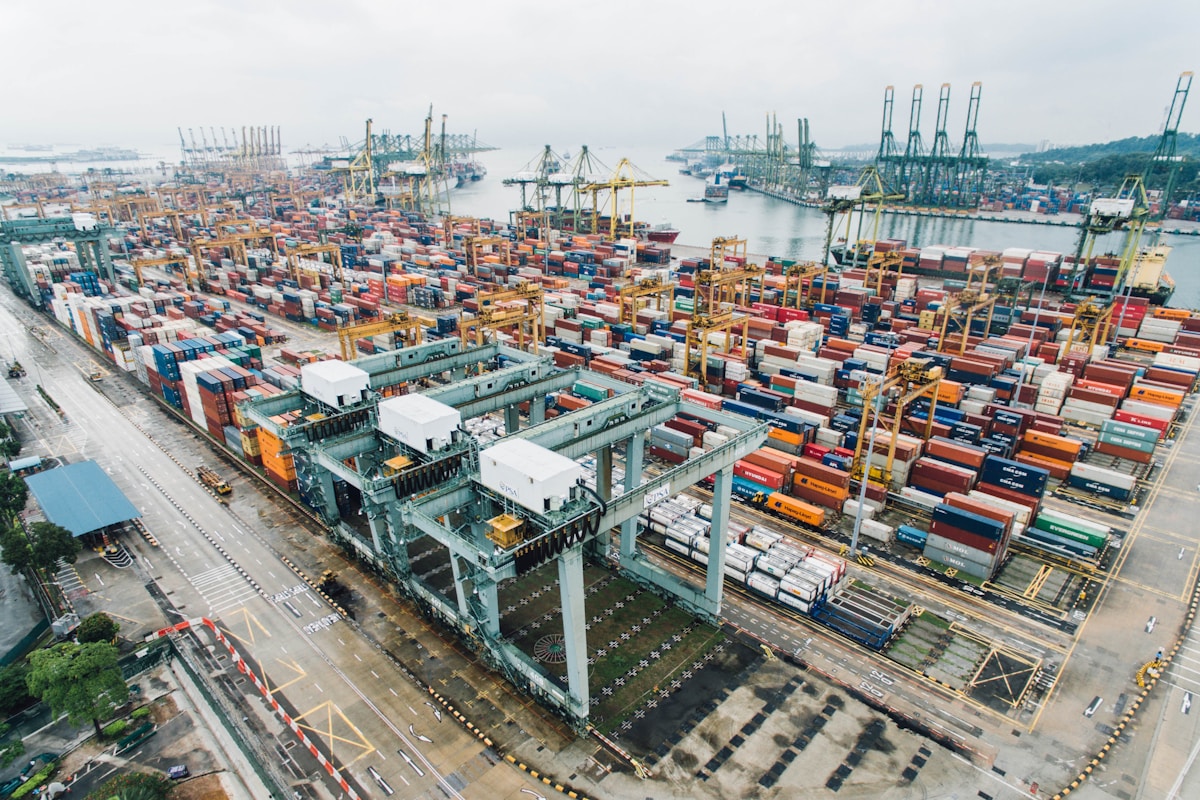
Refrigerated containers (reefers) dominate ocean freight for temperature-sensitive cargo. Modern reefers maintain precise temperatures from -30°C to +30°C, with built-in monitoring systems and remote control capabilities. Container types include standard ventilated reefers, controlled atmosphere (CA) containers that regulate oxygen and carbon dioxide levels, and specialized units for bananas or other commodity-specific applications.
Air freight provides speed that preserves freshness but at substantially higher cost. Perishables shipped by air typically arrive within 1-3 days versus 3-6 weeks by ocean, dramatically extending effective shelf life. Air cargo temperatures in cargo holds generally maintain 4°C to 8°C for most products, though specialized air freight containers enable broader temperature ranges.
Land transportation includes refrigerated trucks (reefer trucks) for regional distribution and specialized train services. In markets like Europe and North America, sophisticated over-the-road reefer fleets maintain integrity for domestic and cross-border cold chain distribution. The emergence of electric refrigerated vehicles promises sustainability improvements without compromising performance.
Pre-Cooling and Temperature Management at Origin
Temperature management begins before products enter transportation. Pre-cooling removes field heat from harvested produce, bringing product temperatures to target ranges before loading. This step is critical—failing to remove field heat can reduce shelf life by 50% or more even with perfect subsequent temperature control.
Cold storage facilities at origin provide staging areas where products await transportation while maintaining proper temperatures. These facilities must achieve temperature uniformity throughout storage areas, avoiding hot spots that could compromise product quality. Regular calibration of monitoring equipment and proper air circulation ensures consistent conditions.
Loading procedures require attention to airflow patterns within containers. Stowing products too densely blocks cold air circulation, creating temperature variations throughout the cargo. Proper dunnage and spacing enable uniform cooling and prevent product damage from inadequate ventilation.
Monitoring and Documentation Systems
Modern cold chain management relies heavily on technology for monitoring, documentation, and problem identification. These systems provide visibility into cargo conditions throughout the supply chain, enabling proactive intervention when issues arise.
Temperature data loggers record conditions at predetermined intervals throughout transportation. Single-use loggers provide cost-effective monitoring for single shipments, while reusable loggers offer long-term economy for regular trade routes. Some advanced loggers transmit data in real-time through cellular or satellite connections, enabling immediate awareness of temperature excursions.
Remote monitoring systems installed in containers provide continuous visibility into cargo conditions during ocean transit. These systems track temperature, humidity, and other parameters, alerting operators to conditions requiring attention. When a container develops mechanical issues or experiences temperature spikes, early warning enables diversion, repair, or other mitigation strategies.
Documentation accompanies every cold chain shipment, including temperature logs, handling records, and compliance certificates. These documents serve multiple purposes: demonstrating regulatory compliance, providing evidence in claims disputes, and enabling root cause analysis when quality issues occur. Maintain comprehensive records for at least the product's shelf life plus twelve months.
Regulatory Compliance for Cold Chain Food Products
Food safety regulations increasingly mandate cold chain compliance, with authorities implementing stricter requirements following foodborne illness outbreaks linked to temperature-abused products.
The US Food Safety Modernization Act (FSMA) established comprehensive requirements for temperature control during transportation, requiring shippers, carriers, and receivers to maintain written procedures and records demonstrating compliance. Similar regulations exist in the European Union, with the EU's Food Safety Authority enforcing stringent cold chain requirements through regular inspections and audits.
Exporting countries maintain their own requirements that may differ from destination market regulations. Ensuring compliance with both origin and destination requirements demands careful research and often consultation with regulatory specialists familiar with specific trade corridors.
Certifications like FSSC 22000, SQF, and BRCGS provide independent verification of food safety management systems, increasingly required by major retailers and foodservice companies. These certifications typically address cold chain management as part of comprehensive food safety programs.
Managing Cold Chain Risks and Challenges
Despite best efforts, cold chain disruptions occur due to equipment failures, handling errors, and unforeseen circumstances. Effective risk management prepares your business to respond effectively when problems arise.

Equipment failures represent the most common source of cold chain disruptions. Refrigeration units experience mechanical issues, power supplies fail at storage facilities, and monitoring systems malfunction. Mitigation strategies include selecting reliable equipment and service providers, maintaining contingency relationships with alternative providers, and designing supply chains with redundancy where critical products are concerned.
Port congestion and delays create cold chain risks when containers sit at terminals without power connections. During peak shipping seasons, containers may wait days or weeks for discharge, depleting battery power in monitoring systems and raising product temperatures if mechanical issues develop. Advance planning for potential delays—selecting containers with extended battery life, planning for extended transit times, and monitoring vessel schedules—reduces exposure to these risks.
Cost Optimization in Cold Chain Operations
Cold chain logistics represents a significant cost component for food exporters, often comprising 20-40% of total landed costs. Optimizing these costs without compromising product quality requires sophisticated analysis and continuous improvement.
Consolidation strategies combine smaller shipments into full container loads, spreading fixed costs across greater volumes. Working with logistics partners who consolidate cargo from multiple shippers enables access to full container rates for shippers with smaller volumes.
Route optimization identifies the most efficient transportation pathways, balancing transit time against cost. Direct routing may offer speed advantages, but indirect routing through hub ports might provide substantially lower costs if transit time extensions don't compromise product quality.
Packaging innovation enables longer unassisted transit times, reducing reliance on mechanical refrigeration. Phase change materials (PCMs) absorb and release thermal energy at specific temperatures, providing passive temperature control that supplements mechanical systems. These technologies evolve continuously, with newer solutions offering improved performance at lower costs.
Personal Insights from Cold Chain Operations
The most important lesson I've learned in cold chain operations is that you cannot monitor too closely. Every temperature excursion, however brief, potentially impacts product shelf life and safety. Investing in comprehensive monitoring pays dividends in reduced claims, improved customer satisfaction, and enhanced reputation.
Choose logistics partners based on their expertise with your specific products rather than general cold chain capabilities. A provider experienced with seafood exports understands different handling requirements than one specializing in fresh produce. Product-specific expertise reduces learning curve costs and prevents common mistakes.
Finally, build relationships with regulatory authorities and industry associations. The trading companies best positioned to navigate regulatory changes and emerging requirements maintain active engagement with the organizations shaping those requirements. This involvement provides early warning about coming changes and influence over outcomes that protect your business interests.